Why does a concentric slave cylinder need no clutch fork?

SECLUTCH Workshop · November 23, 2026
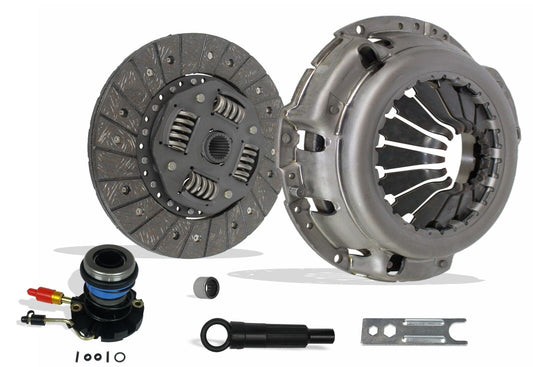
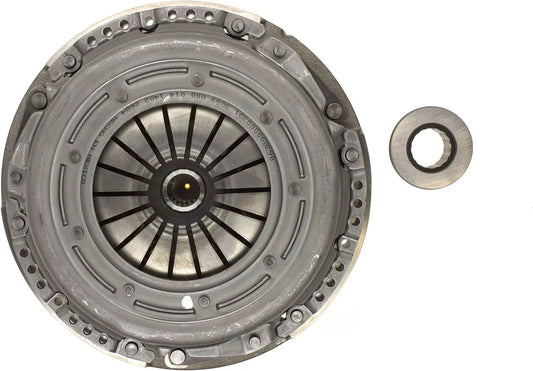
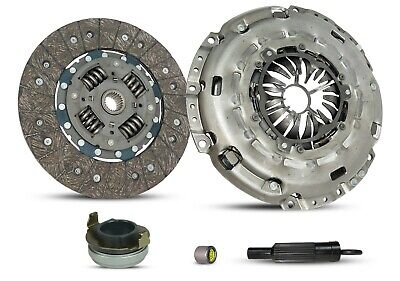
A clutch parts list can include a separate release bearing or a complete hydraulic release unit. Before ordering, it helps to understand what each design actually does.
One assembly takes the fork’s place
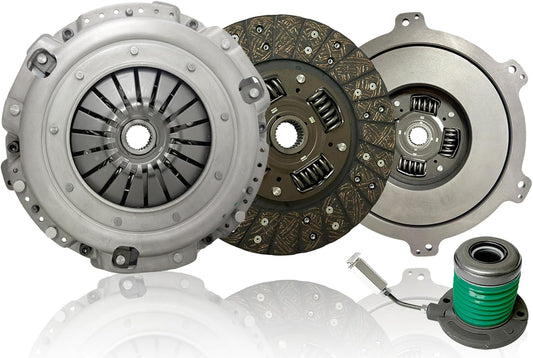
ZF explains that a concentric slave cylinder (CSC) combines the slave cylinder and release bearing. Mounted on the transmission, this integrated design eliminates the separate release fork and its pivot points. [1]
How does pedal movement reach the clutch?
The pedal operates the master cylinder, which sends hydraulic pressure to the slave cylinder. An external slave works through a lever mechanism; a CSC acts directly on the pressure plate. After hydraulic work, the vehicle manufacturer’s bleeding procedure and approved fluid matter. [2]
At the parts counter: a practical example
Illustrative scenario: A customer requests “a release bearing” for a clutch job. The technician checks the exact transmission and finds that its parts diagram specifies a CSC. Ordering only a separate bearing would not match the assembly called for in that diagram.
The useful next step is to confirm the vehicle, transmission identification and applicable part reference before ordering. Similar appearance, or the same model name, is not enough to establish compatibility. This example explains part identification; it does not establish that the existing unit has failed.
Do not test a new unit by squeezing it
Valeo’s PC004/10 bulletin warns against compressing a new CSC by hand to imitate bearing travel: doing so can damage it. Follow the supplied handling and installation instructions instead. [3]
A difficult shift or unusual pedal feel deserves a diagnosis of the complete system before a part is condemned.
Photo: SECLUTCH catalog reference NAB0761, shown to illustrate a CSC. It is not a universal-fit recommendation.