When Should a Flywheel Be Serviced or Replaced?

When Should a Flywheel Be Serviced or Replaced?
The flywheel is an essential part of the clutch system. It provides the contact surface that works with the clutch disc and helps transfer engine power to the transmission. Because these components operate together, the condition of the flywheel can directly affect clutch engagement and overall performance.
Whenever a clutch is removed, the flywheel should be inspected before installing new components. Reusing a damaged or excessively worn flywheel may contribute to slipping, vibration, shuddering, uneven engagement or premature wear of the replacement clutch.
Why Flywheel Inspection Matters
A new clutch disc needs a suitable contact surface to operate correctly. Over time, heat, friction and repeated engagement can change the condition of the flywheel surface.
Even when a flywheel appears usable at first glance, it may have wear patterns or damage that require closer inspection. Evaluating it during a clutch replacement helps determine whether it can be serviced according to the vehicle manufacturer’s specifications or whether replacement is necessary.
Check for Warping, Cracks and Deep Grooves
Flywheel warping can create an uneven contact surface, potentially affecting clutch engagement. A technician may use the appropriate measuring tools and service specifications to determine whether the surface is within the acceptable limits for the application.
Cracks should also be taken seriously. Their location and severity may indicate that the flywheel should not be reused. Deep grooves or uneven wear can prevent the clutch disc from making consistent contact across the friction surface.
A visual inspection is an important starting point, but measurements and the correct service information are also necessary.
Look for Heat Damage or Discoloration
The flywheel is exposed to significant heat during normal clutch operation. Excessive slipping, aggressive engagement or an existing clutch problem can generate additional heat.
Blue, purple or dark areas on the friction surface may indicate severe heat exposure. Heat checking, hard spots or uneven discoloration can also suggest that the surface has been affected.
The presence of discoloration does not automatically determine the correct repair. The flywheel must be evaluated according to its design, condition and application-specific service limits.
Should the Flywheel Be Resurfaced or Replaced?
The correct decision depends on the type of flywheel, its measurements, the extent of the damage and the manufacturer’s service procedure.
Some flywheels may be eligible for resurfacing when they remain within the specified limits. Others may require replacement because of cracks, severe heat damage, excessive wear or design restrictions. Certain applications may use flywheels that are not intended to be resurfaced.
Removing too much material can affect clutch geometry and operation. For this reason, resurfacing should only be performed when permitted by the appropriate service information and completed to the required specifications.
Inspect the Flywheel During Every Clutch Service
The best time to inspect the flywheel is when the transmission and clutch components have already been removed. This provides access to the complete friction surface and allows the technician to review the clutch system as a whole.
The inspection should include:
-
Friction-surface condition
-
Cracks or heat checking
-
Deep grooves or scoring
-
Signs of severe heat damage
-
Warping or excessive runout
-
Mounting surfaces and bolt holes
-
Application-specific service measurements
Other related components and contact surfaces should also be inspected before the vehicle is reassembled.
Follow the Procedure for the Specific Application
Flywheel requirements can vary by vehicle, engine, transmission and clutch design. A procedure that applies to one vehicle may not be appropriate for another.
Always consult the vehicle manufacturer’s service information for inspection methods, allowable measurements, resurfacing restrictions, fastener requirements and installation procedures. When the condition of the flywheel is uncertain, it should be evaluated by a qualified automotive professional.
Complete the Clutch Installation Correctly
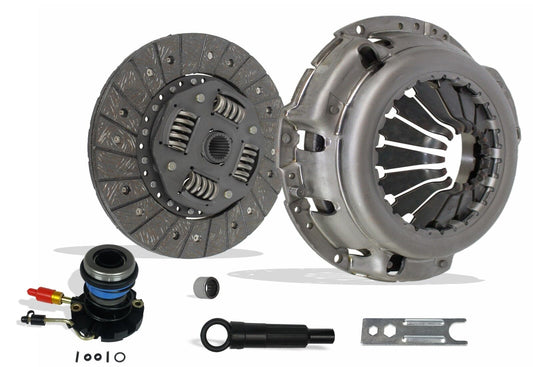
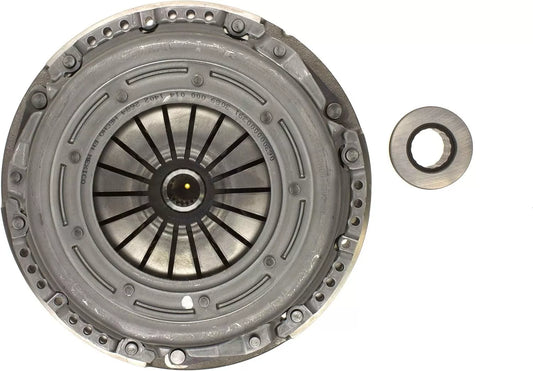
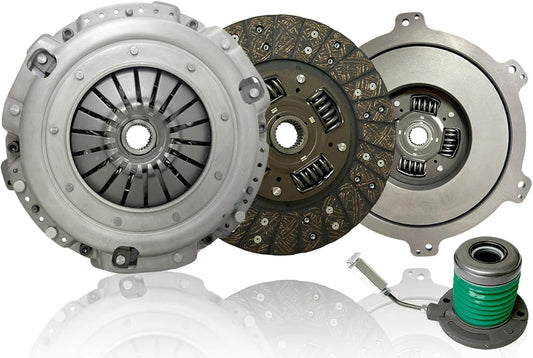
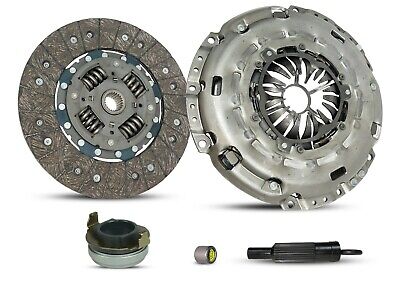
A clutch kit performs as part of a complete system. Confirming the condition of the flywheel before installation helps create a suitable working surface for the new clutch components.
Before ordering a replacement clutch kit, verify the vehicle year, make, model, engine and transmission. Explore clutch kits and application information at seclutch.com.
SEO title: When Should a Flywheel Be Serviced or Replaced?
Meta description: Learn when a flywheel may need resurfacing or replacement and what to inspect before installing a new clutch kit.
Suggested URL: /blogs/news/when-should-a-flywheel-be-serviced-or-replaced
When Should a Flywheel Be Serviced or Replaced?
The flywheel is an essential part of the clutch system. It provides the contact surface that works with the clutch disc and helps transfer engine power to the transmission. Because these components operate together, the condition of the flywheel can directly affect clutch engagement and overall performance.
Whenever a clutch is removed, the flywheel should be inspected before installing new components. Reusing a damaged or excessively worn flywheel may contribute to slipping, vibration, shuddering, uneven engagement or premature wear of the replacement clutch.
Why Flywheel Inspection Matters
A new clutch disc needs a suitable contact surface to operate correctly. Over time, heat, friction and repeated engagement can change the condition of the flywheel surface.
Even when a flywheel appears usable at first glance, it may have wear patterns or damage that require closer inspection. Evaluating it during a clutch replacement helps determine whether it can be serviced according to the vehicle manufacturer’s specifications or whether replacement is necessary.
Check for Warping, Cracks and Deep Grooves
Flywheel warping can create an uneven contact surface, potentially affecting clutch engagement. A technician may use the appropriate measuring tools and service specifications to determine whether the surface is within the acceptable limits for the application.
Cracks should also be taken seriously. Their location and severity may indicate that the flywheel should not be reused. Deep grooves or uneven wear can prevent the clutch disc from making consistent contact across the friction surface.
A visual inspection is an important starting point, but measurements and the correct service information are also necessary.
Look for Heat Damage or Discoloration
The flywheel is exposed to significant heat during normal clutch operation. Excessive slipping, aggressive engagement or an existing clutch problem can generate additional heat.
Blue, purple or dark areas on the friction surface may indicate severe heat exposure. Heat checking, hard spots or uneven discoloration can also suggest that the surface has been affected.
The presence of discoloration does not automatically determine the correct repair. The flywheel must be evaluated according to its design, condition and application-specific service limits.
Should the Flywheel Be Resurfaced or Replaced?
The correct decision depends on the type of flywheel, its measurements, the extent of the damage and the manufacturer’s service procedure.
Some flywheels may be eligible for resurfacing when they remain within the specified limits. Others may require replacement because of cracks, severe heat damage, excessive wear or design restrictions. Certain applications may use flywheels that are not intended to be resurfaced.
Removing too much material can affect clutch geometry and operation. For this reason, resurfacing should only be performed when permitted by the appropriate service information and completed to the required specifications.
Inspect the Flywheel During Every Clutch Service
The best time to inspect the flywheel is when the transmission and clutch components have already been removed. This provides access to the complete friction surface and allows the technician to review the clutch system as a whole.
The inspection should include:
-
Friction-surface condition
-
Cracks or heat checking
-
Deep grooves or scoring
-
Signs of severe heat damage
-
Warping or excessive runout
-
Mounting surfaces and bolt holes
-
Application-specific service measurements
Other related components and contact surfaces should also be inspected before the vehicle is reassembled.
Follow the Procedure for the Specific Application
Flywheel requirements can vary by vehicle, engine, transmission and clutch design. A procedure that applies to one vehicle may not be appropriate for another.
Always consult the vehicle manufacturer’s service information for inspection methods, allowable measurements, resurfacing restrictions, fastener requirements and installation procedures. When the condition of the flywheel is uncertain, it should be evaluated by a qualified automotive professional.
Complete the Clutch Installation Correctly
A clutch kit performs as part of a complete system. Confirming the condition of the flywheel before installation helps create a suitable working surface for the new clutch components.
Before ordering a replacement clutch kit, verify the vehicle year, make, model, engine and transmission. Explore clutch kits and application information at seclutch.com.