Stiff Clutch Pedal? Here's What It's Telling You

Stiff Clutch Pedal? Here's What It's Telling You
A clutch pedal that suddenly feels harder to press than usual isn't just an inconvenience — it's a signal. Your drivetrain is telling you something is wrong, and the sooner you identify the source, the better your chances of catching it before it becomes a much more serious problem.
The good news is that a stiff clutch pedal almost always points to one of three specific causes: the clutch cable, the hydraulic line, or the pressure plate. Each one has its own characteristics, and knowing how to tell them apart can save you time, money, and a lot of unnecessary guesswork.
The Clutch Cable
On vehicles with a mechanical clutch linkage, a cable runs from the pedal to the clutch fork. Over time, that cable stretches, frays, or corrodes — especially in vehicles exposed to moisture, road salt, or simply high mileage. When the cable starts to fail, resistance builds up and the pedal becomes noticeably harder to depress.
In many cases, a stiff cable is a progressive problem. It starts as slight extra effort, something easy to dismiss as normal. But as the cable continues to deteriorate, the stiffness increases until engagement becomes difficult or the cable snaps entirely — usually at the worst possible moment.
A cable issue is one of the more straightforward fixes in the clutch system, but it should never be deferred. A cable under stress can fail without warning, leaving the vehicle undriveable.
The Hydraulic Line
Vehicles with a hydraulic clutch system use fluid pressure — much like a brake system — to transfer the force from your pedal to the clutch fork. When that system develops a problem, whether a leak, air in the line, or a failing master or slave cylinder, the pedal loses its normal feel and can become stiff, spongy, or inconsistent depending on the specific failure.
A hydraulic issue often makes itself known gradually. The pedal may feel harder on cold mornings and soften slightly as the system warms up, or it may require significantly more force to achieve the same engagement point as before. If you notice fluid loss near the clutch master cylinder or underneath the vehicle near the transmission, that's a strong indicator the hydraulic system is the culprit.
Left unaddressed, a failing hydraulic line can lead to complete loss of clutch function — and unlike a mechanical cable, a hydraulic failure can be harder to predict and faster to become critical.
The Pressure Plate
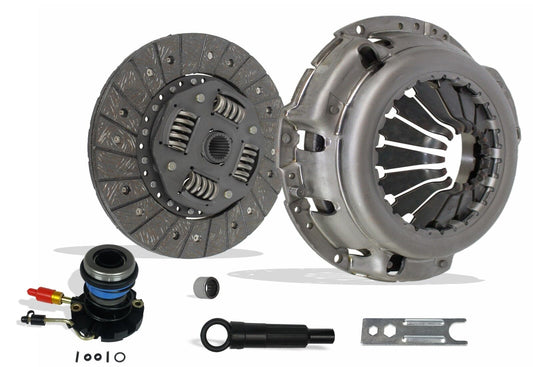
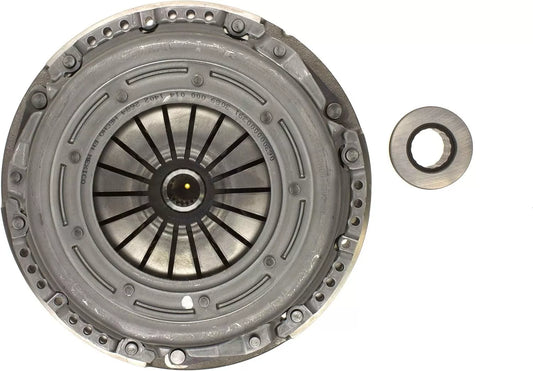
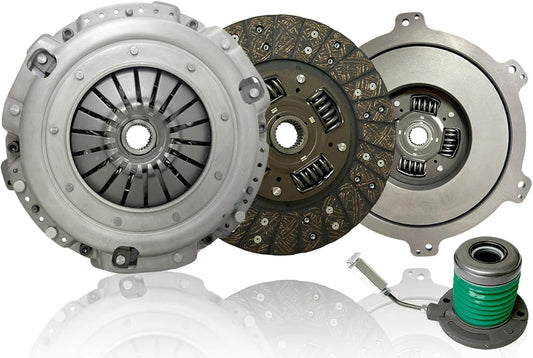
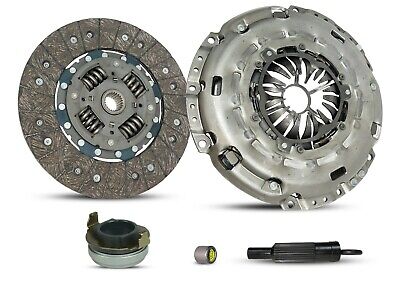
If the cable and hydraulic system check out fine, the stiffness may be coming from inside the clutch assembly itself — specifically the pressure plate. The pressure plate is a spring-loaded component that clamps the clutch disc against the flywheel to transfer engine power to the drivetrain. When the springs in the pressure plate weaken, warp, or fail, the force required to disengage the clutch increases significantly.
A pressure plate issue is typically accompanied by other symptoms: difficulty engaging gears cleanly, vibration through the pedal, or a clutch that feels inconsistent — sometimes firm, sometimes not. Because the pressure plate is part of the internal clutch assembly, addressing it means opening up the transmission, which is why catching the warning signs early matters so much.
A worn or failing pressure plate that's ignored doesn't just make the pedal stiff — it can damage the clutch disc, the flywheel surface, and ultimately the transmission input shaft.
Don't Ignore the Stiffness
A stiff clutch pedal is rarely a standalone issue. It's a symptom of something in the system that's already under stress. Whether the source is the cable, the hydraulic line, or the pressure plate, the pattern is the same: the longer it's ignored, the more expensive and complex the repair becomes.
If your pedal doesn't feel like it used to, have it inspected. Catching a cable or hydraulic issue early is a minor repair. Catching a pressure plate failure before it damages surrounding components is a manageable clutch replacement. Waiting until the system fails completely is an avoidable situation that no driver or mechanic wants to deal with.
Southeast Clutch kits are built to fit your specific vehicle — engineered to the exact tolerances your drivetrain requires, so every component works the way it should from day one.
Southeast Clutch. Precision from the first gear.