Pressure Plate 101: What It Does and Why It Matters

Pressure Plate 101: What It Does and Why It Matters
The clutch pressure plate is a key component of a manual transmission clutch system. Working together with the clutch disc and flywheel, it helps transfer engine power to the transmission and allows the vehicle to engage and disengage smoothly.
Understanding how a pressure plate works and recognizing the signs of wear can help drivers identify clutch problems before they become more serious.
What Does a Clutch Pressure Plate Do?
The primary job of the pressure plate is to clamp the clutch disc against the flywheel. When the clutch is engaged, this clamping force allows engine power to pass through the clutch disc and into the transmission.
When the clutch pedal is pressed, the pressure plate releases its clamping force, allowing the clutch disc to disengage from the flywheel so the driver can change gears.
This repeated engagement and disengagement makes the pressure plate essential to the operation of a manual transmission clutch.
Why Is Clamping Force Important?
A properly functioning pressure plate provides consistent clamping force across the clutch disc. This helps create smooth clutch engagement and allows engine power to be transferred effectively.
When clamping force becomes inconsistent or insufficient, the clutch may begin to slip. Instead of transferring power efficiently, the clutch disc can lose proper contact with the flywheel, creating additional friction and heat.
A quality pressure plate that matches the vehicle and clutch application is therefore an important part of dependable clutch performance.
Signs of a Worn Pressure Plate
A worn or damaged pressure plate can produce several noticeable symptoms. Clutch shudder or vibration during engagement may indicate that the clutch is no longer applying pressure evenly.
Another common symptom is clutch slipping under load. You may notice the engine RPM increasing without the vehicle accelerating as expected, particularly during acceleration, climbing hills, or carrying additional weight.
Changes in clutch pedal feel can also indicate that something within the clutch system requires inspection. A pedal that suddenly feels different, combined with slipping, vibration, or difficult engagement, should not be ignored.
These symptoms can have more than one cause, so the complete clutch system should be inspected before determining which component needs replacement.
Choosing the Right Pressure Plate and Clutch Kit
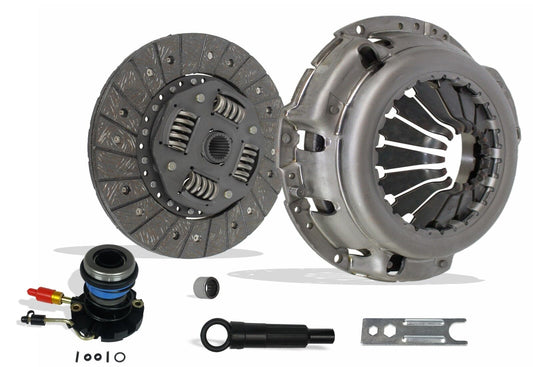
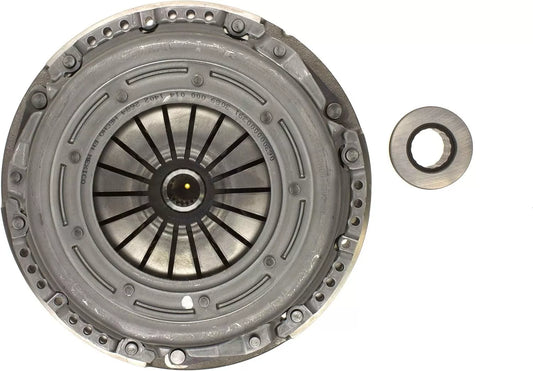
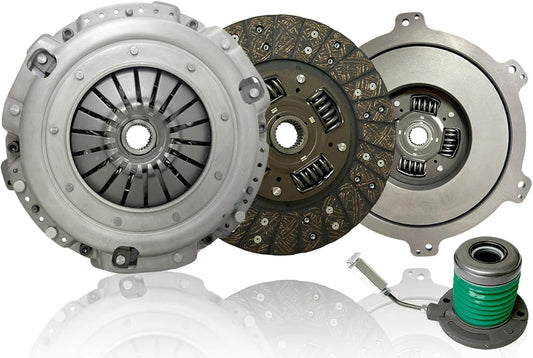
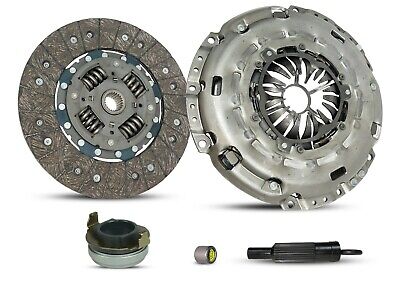
The pressure plate is designed to work as part of a complete clutch system. When replacement is necessary, the clutch disc, pressure plate, flywheel, release bearing, and related components should be evaluated to determine their condition.
Correct fitment is also essential. The appropriate replacement clutch kit can vary according to the vehicle's year, make, model, engine, and transmission. Confirming these specifications—or using the VIN when necessary—helps identify the correct components before ordering.
Understanding how your pressure plate works and recognizing early signs of wear can help you maintain smoother engagement, reduce unwanted slipping, and keep your clutch system operating properly.
SouthEast Clutch — Always Moving Forward.