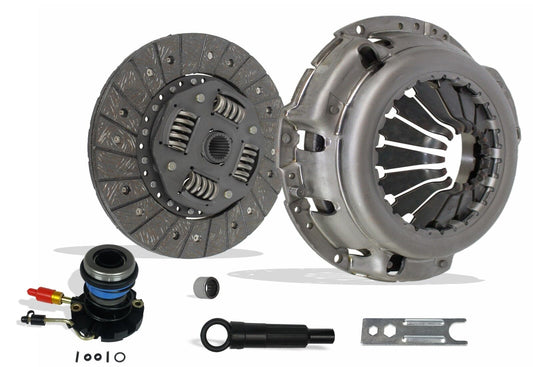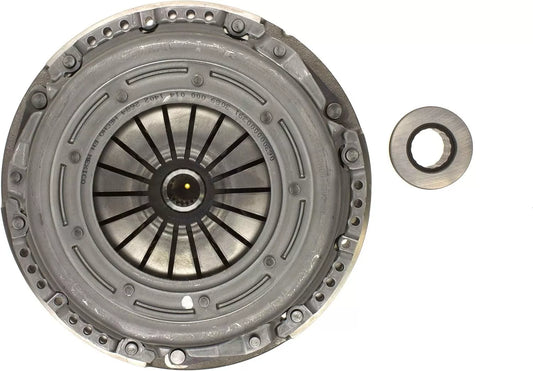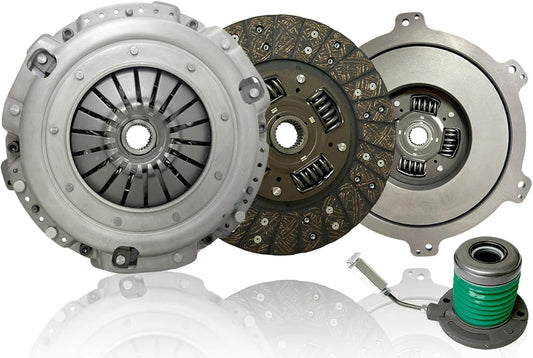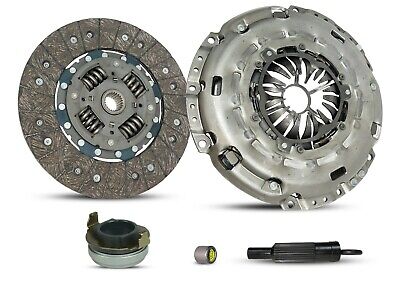
Organic vs. Ceramic Clutch: Which One Is Right for Your Vehicle?

Choosing between an organic and a ceramic clutch disc is one of the most important decisions a driver can make when it comes to clutch replacement, yet it's also one of the most commonly overlooked. While both options serve the same fundamental purpose of transferring power from the engine to the transmission, the materials they're built from create very different driving experiences. Understanding these differences can help you choose the clutch type that truly matches the way you drive.
Organic clutch discs are designed with everyday drivability in mind. Built using a blend of fibers, resins, and friction materials, organic discs deliver smooth and quiet engagement that feels natural during normal acceleration and gear changes. This makes them an excellent choice for daily driving, especially in stop-and-go traffic or commuting situations where comfort and predictability matter most. Another advantage of organic clutch discs is that they tend to be gentler on the flywheel, helping to reduce long-term wear on surrounding components and contributing to a more balanced overall clutch system.
Ceramic clutch discs, on the other hand, are engineered for drivers who demand more from their vehicles. Thanks to their high heat resistance, ceramic discs are built to withstand the intense friction generated during aggressive acceleration, towing, or performance driving. This makes them a popular choice for vehicles that are frequently pushed beyond standard daily-use conditions. However, this added durability comes with a trade-off: ceramic discs typically produce a more aggressive engagement feel, which some drivers may find less smooth than an organic setup, particularly during low-speed maneuvers.
The decision between organic and ceramic ultimately comes down to how you use your vehicle. If your driving consists mainly of daily commuting, city traffic, or general use, an organic clutch disc is likely to offer the most comfortable and reliable performance. But if your vehicle is regularly used for towing, performance driving, or high-torque applications, a ceramic disc may be better suited to handle the increased heat and stress placed on the clutch system.
Southeast Clutch understands that no two drivers have the same needs, which is why we manufacture both organic and ceramic clutch options engineered for precise vehicle compatibility. Whether you're looking for smooth daily performance or a more aggressive setup built for demanding conditions, choosing the right clutch material is the first step toward a reliable, long-lasting drivetrain.