What does a noise that changes with the clutch pedal tell you?

A whistle appears when you press the clutch pedal. Before ordering a bearing, describe exactly when it happens. Pedal position helps a workshop reproduce the complaint and choose the next inspection.
What the sound can tell a technician
SACHS lists release-bearing misalignment, input-shaft misalignment and a damaged pilot bearing among possible causes of clutch whistling. It recommends identifying whether the noise occurs during engagement, disengagement or idle. These observations guide diagnosis.[1]
The pilot bearing supports the transmission input shaft. SACHS recommends checking it during clutch replacement and replacing it when its condition requires it.[2]
A practical workshop example
Consider this illustrative customer report: “It squeaks when I press the pedal.” At reception, the technician asks whether it happens with a cold or warm engine, whether it begins as the pedal moves or after it reaches the floor, and whether shifting has also changed.
The resulting job card might read: “Warm engine, vehicle stationary, neutral selected. Whistle begins during pedal travel and continues with the pedal fully depressed. Customer first noticed it yesterday. No repair decision yet.” This gives the next technician a specific complaint to reproduce.
What to bring to your appointment
- The vehicle year, engine and transmission identification.
- When the noise started and whether recent work preceded it.
- A short description of pedal feel and any difficulty selecting gears.
- A recording already captured safely, if available.
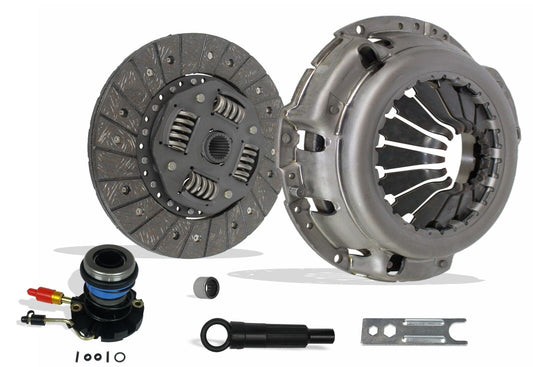
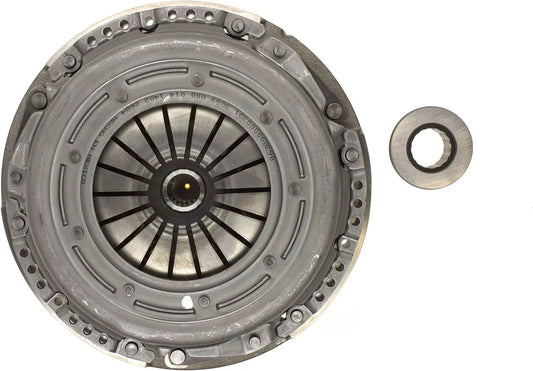
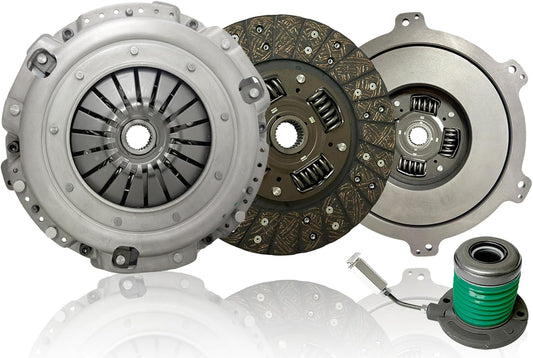
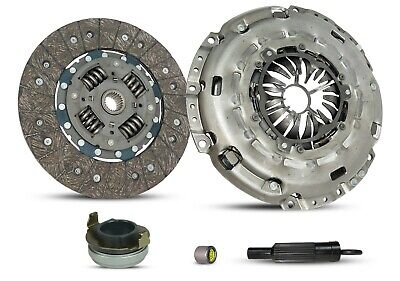
Ask the workshop to document its findings before authorizing parts. Inspections, adjustment values and repair procedures must match the actual application. The photograph shows catalog item NAFKB1702, a fork and bearing assembly, as an illustration of release-system components. Confirm fitment separately.
Contact SECLUTCH for application support with your vehicle details and the workshop findings.