How to Find the Right Clutch Kit for Your Vehicle Using Your VIN

How to Find the Right Clutch Kit for Your Vehicle Using Your VIN
Meta description: Not sure which clutch kit fits your car? Learn how your VIN helps you find the exact clutch replacement your vehicle needs — no guesswork required.
Choosing the correct clutch kit for your vehicle isn't always as simple as matching the make and model. Two cars that look identical on the outside can require completely different clutch replacement parts underneath. That's why more drivers are turning to a small but powerful tool already sitting on their dashboard: the Vehicle Identification Number, or VIN.
Why the Same Make and Model Doesn't Mean the Same Clutch Kit
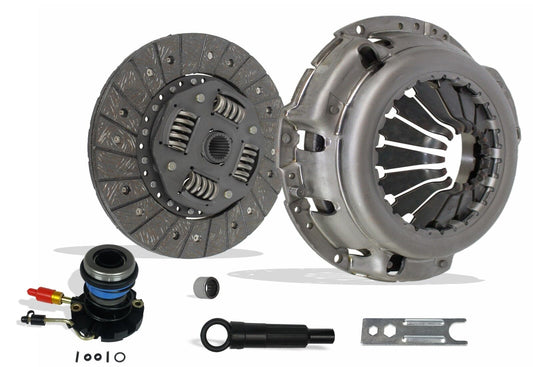
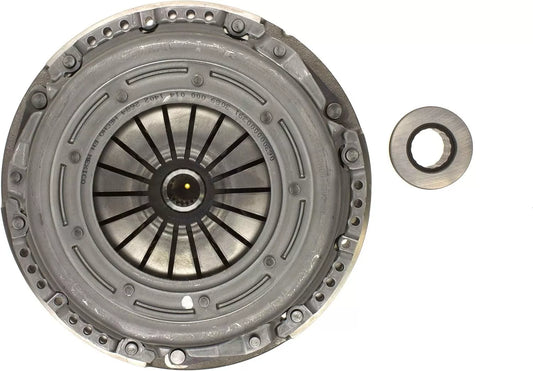
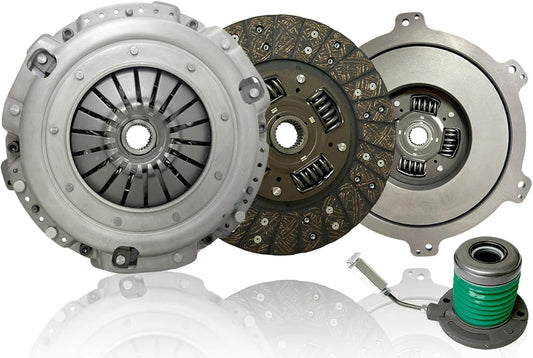
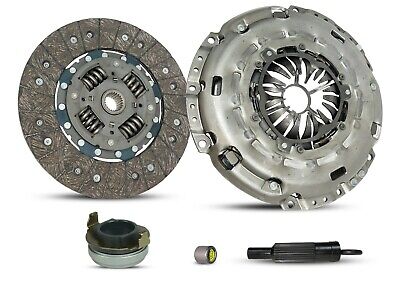
It's a common misconception that every car of a certain year, make, and model uses the same clutch assembly. In reality, manufacturers often produce several versions of the same vehicle, each with a different engine size, transmission type, or factory configuration. A clutch kit built for a manual transmission with a four-cylinder engine won't necessarily fit the same model equipped with a six-cylinder engine or a different gearbox. This is exactly where relying on guesswork can lead to ordering the wrong clutch replacement part — costing you time, money, and an extra trip to return it.
What Is a VIN and Why Does It Matter for Clutch Replacement?
Your VIN is a unique 17-character identifier assigned to your vehicle at the factory. Think of it as your car's fingerprint. Unlike a general description of your vehicle, the VIN encodes precise details about its production, including the engine variant, transmission setup, and other manufacturing specifications. When you're shopping for a clutch kit, this level of detail is what separates a perfect fit from a part that technically matches the model name but not the actual components under the hood.
Using your VIN to shop for auto parts, including a clutch replacement kit, removes the ambiguity that comes with searching by year, make, and model alone. It's the difference between an educated guess and a confirmed match.
Where to Find Your Vehicle's VIN
Locating your VIN is easier than most drivers expect. It's typically stamped on a small plate on the driver's side dashboard, visible through the windshield from outside the car. You can also find it on a sticker inside the driver's door jamb, or printed on your vehicle registration and insurance documents. Any one of these sources will give you the same 17-digit code you need before searching for a compatible clutch kit.
How the VIN Simplifies Finding the Correct Clutch Kit
Once you have your VIN in hand, identifying the right clutch kit becomes far more straightforward. Instead of comparing spec sheets or hoping a listing labeled for your car's year and model actually matches your engine and transmission, the VIN allows a parts specialist to pinpoint the exact configuration of your vehicle. This is particularly useful for drivers who aren't sure whether their car has a factory-installed variation that differs from the standard version of that model.
For anyone searching for a dependable clutch replacement, pairing the VIN with your vehicle's year, make, and model gives a complete picture. That combination allows for a confident match rather than a hopeful one, which matters when you're investing in a part responsible for how your vehicle shifts and performs.
Get the Right Clutch Kit the First Time
If you're unsure which clutch kit fits your vehicle, the fastest path to an accurate answer starts with your VIN. Send it along with your car's year, make, and model, and a specialist can help you identify the correct Southeast Clutch kit for your exact vehicle configuration. Skipping the guesswork means less risk of ordering the wrong part and more confidence that your clutch replacement will perform exactly as it should from the moment it's installed.
Whether you're replacing a worn clutch or simply preparing for future maintenance, taking a few minutes to locate your VIN can save you from returns, delays, and mismatched parts down the road. It's a small step that leads to a much smoother repair experience.