How Long Should a Clutch Really Last? Everything You Need to Know

How Long Should a Clutch Really Last? Everything You Need to Know
It's one of the most common questions drivers ask — and one of the least straightforward to answer. The truth is, clutch lifespan varies enormously from one vehicle to the next, and from one driver to the next. Understanding what affects it can save you from an unexpected breakdown and a much larger repair bill than necessary.
The Average Clutch Lifespan
A well-maintained clutch in a properly fitted kit can last anywhere between 50,000 and 100,000 miles. That's a wide range, and it's intentional — because the number that actually applies to your vehicle depends less on the part itself and more on how the car is driven day to day.
A highway commuter who rarely touches heavy traffic and shifts deliberately can easily reach the top of that range. A driver navigating constant stop-and-go city traffic, or one who has developed habits like resting their foot on the clutch pedal, may find themselves replacing it well before 50,000 miles. The clutch doesn't wear on a schedule — it wears with use, and more importantly, with misuse.
What Shortens Clutch Life
Three factors consistently accelerate clutch wear more than any others: city driving, towing, and aggressive shifting.
City driving is particularly hard on a clutch because it demands constant engagement and disengagement in traffic conditions that rarely allow for clean, smooth transitions. Every red light, every slow-moving lane, every parking maneuver adds incremental wear to the clutch disc and pressure plate. Over thousands of miles, that adds up fast.
Towing places the drivetrain under significantly higher load than normal driving. The clutch has to work harder to transfer torque to the wheels, and if the vehicle isn't properly spec'd for the load — or if the clutch kit isn't engineered for that application — wear accelerates accordingly.
Aggressive shifting, especially at high RPM or without properly matching engine speed, puts sudden stress on the clutch disc and flywheel surface. Over time, that repeated shock loading degrades the friction material and can cause glazing or uneven wear patterns that shorten the component's useful life considerably.
What Extends Clutch Life
The single most effective habit for extending clutch life is smooth engagement. That means releasing the pedal gradually and consistently, allowing the clutch disc to engage the flywheel evenly without sudden contact or slippage. Drivers who develop this habit naturally reduce wear and often double the lifespan of their clutch compared to those who don't.
Equally important is not riding the clutch — that is, keeping your foot resting on the pedal while driving. Even partial pressure on the pedal keeps the clutch partially disengaged, creating continuous friction and heat that wears the disc far faster than normal use. It's a habit many drivers don't even realize they have, and one of the easiest ways to cut clutch life in half.
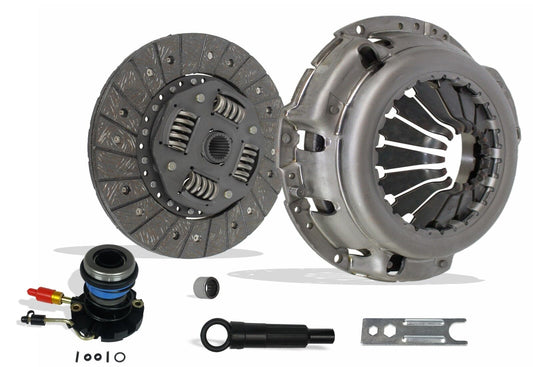
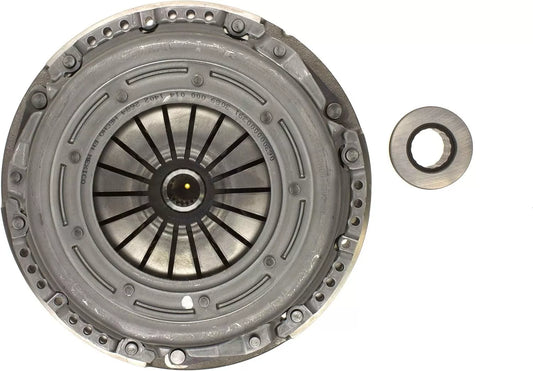
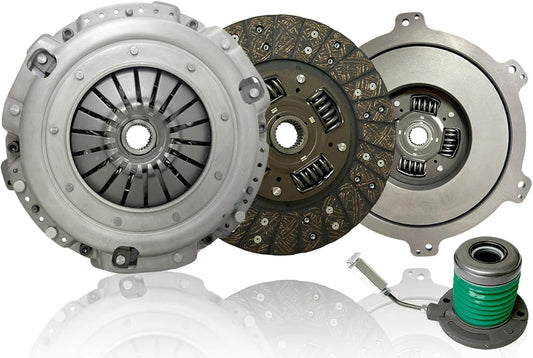
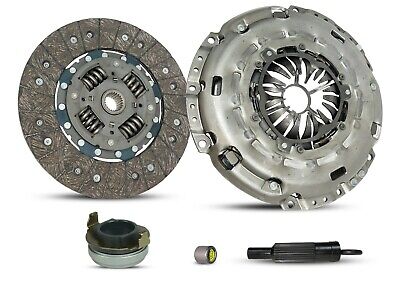
Beyond driving habits, choosing the right clutch kit for your vehicle matters enormously. A precision-fit kit designed for your specific make and model operates within its designed tolerances, distributes load evenly, and holds up far longer than a generic alternative that requires the drivetrain to compensate for fitment gaps.
The Warning Signs You Shouldn't Ignore
A clutch rarely fails without warning. The signs are there — the problem is that many drivers learn to live with them until the situation becomes unavoidable.
Slipping is usually the first noticeable symptom. The engine revs climb but the vehicle doesn't accelerate in proportion — a clear sign the clutch disc can no longer transfer power effectively to the drivetrain. Noise during shifting, whether grinding or a chattering sensation at low speed, often points to a worn disc or contaminated friction surface. Hard shifting — where engaging gears feels resistant or imprecise — can indicate pressure plate wear or internal drivetrain stress caused by a deteriorating clutch.
A high engagement point is another warning sign that often goes unnoticed. If the clutch only begins to engage near the very top of the pedal travel, rather than in the mid-range where it should, the disc is likely worn thin and the end of its service life is approaching. At that stage, continued use risks flywheel damage — which turns a routine clutch replacement into a significantly more expensive repair.
Know Your Clutch — Don't Wait Until It Fails
The worst time to think about your clutch is when you're already stranded. Clutch failure rarely happens instantly; it's a gradual process with clear signals along the way. Paying attention to how your clutch feels and sounds — and acting on early symptoms — is the difference between a planned, manageable repair and an emergency one.
If any of the warning signs described above sound familiar, don't delay. A worn clutch that's caught early is a straightforward replacement. One that's been ignored long enough to damage the flywheel or transmission components is a far more complex and costly job.
Southeast Clutch kits are engineered for your specific vehicle — no adapters, no guessing, no compromise. When it's time to replace yours, make sure you're putting in a part that was built to last.
Southeast Clutch. Precision from the first gear.