How Does a Clutch Work? A Guide to Clutch Performance and Care

How Does a Clutch Work? A Guide to Clutch Performance and Care
Your vehicle’s clutch plays a critical role every time you accelerate, slow down, or shift gears. Although it often works unnoticed, understanding how a clutch works and knowing how to take care of it can help improve vehicle performance, extend component life, and prevent costly repairs.
At Southeast Clutch, we understand that reliable clutch performance depends not only on quality components but also on proper driving habits and maintenance. Whether you drive a passenger vehicle, work truck, or commercial vehicle, taking care of your clutch can make a significant difference in its performance and service life.
How Does a Clutch Work?
The clutch is the connection between the engine and the transmission. Its main purpose is to control the transfer of engine power to the drivetrain while allowing the driver to change gears smoothly.
When the clutch pedal is released, the clutch disc is pressed against the flywheel by the pressure plate. This creates friction and allows engine power to travel through the transmission and ultimately to the wheels.
When the clutch pedal is pressed, the system disengages the clutch disc from the flywheel. This temporarily interrupts the transfer of power, allowing the transmission to change gears without excessive stress on its internal components.
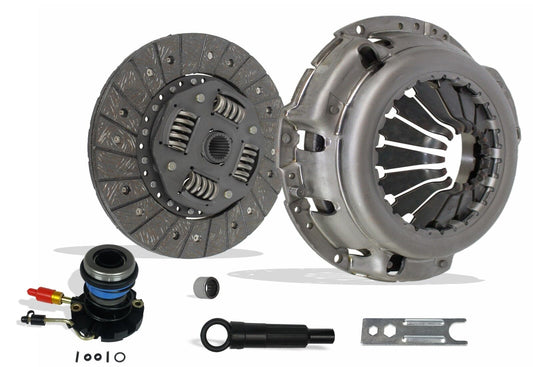
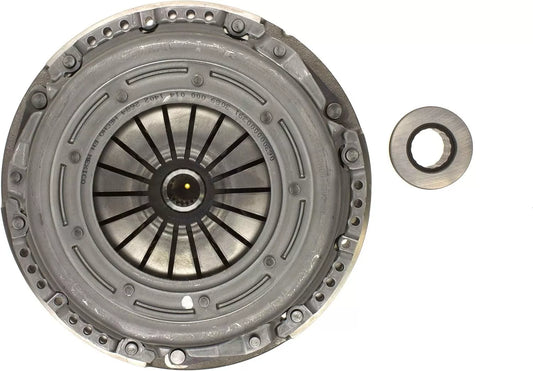
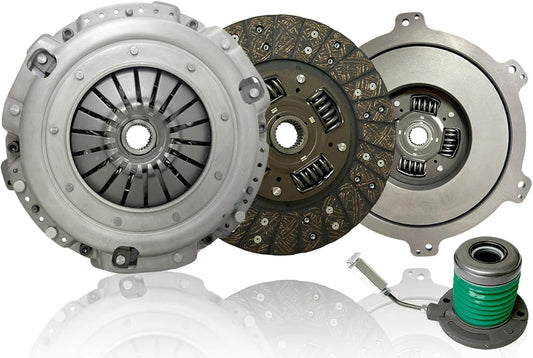
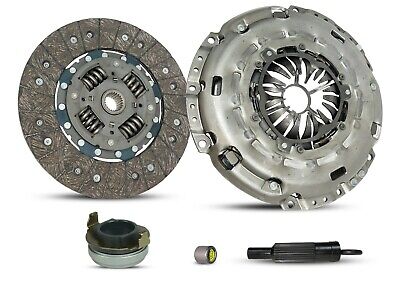
This process happens repeatedly during normal driving, which means components such as the clutch disc, pressure plate, release bearing, and flywheel are constantly working together.
Why Does a Clutch Wear Out?
Friction is essential to clutch operation, but it is also one of the main reasons clutch components eventually wear.
Every time the clutch engages and disengages, friction occurs between the clutch disc and flywheel. Over thousands of miles and countless gear changes, the friction material on the disc gradually wears down.
Driving conditions can significantly influence clutch life. Heavy traffic, frequent stops, towing, carrying heavy loads, aggressive acceleration, and improper clutch operation can all increase wear.
A properly operated and maintained clutch system can provide reliable performance for a long time, while poor driving habits may dramatically shorten its lifespan.
How to Take Care of Your Clutch
One of the most effective ways to extend clutch life is to avoid unnecessary slipping. Keeping the clutch partially engaged for extended periods generates additional heat and friction, accelerating wear on the clutch disc and other components.
Drivers should also avoid resting their foot on the clutch pedal while driving. Even light pressure may cause partial engagement of the release mechanism and place unnecessary stress on the clutch release bearing.
Smooth gear changes are equally important. Allowing the clutch to engage progressively without excessive engine RPM can reduce heat and help protect the friction surfaces.
When stopping on an incline, using the vehicle’s brake rather than holding the vehicle in place with the clutch can also reduce unnecessary wear.
For vehicles used for towing, hauling, commercial work, or other demanding applications, choosing a clutch kit designed for the vehicle’s torque and workload is especially important.
Recognize the Signs of Clutch Wear
Clutch problems often develop gradually. Recognizing the early signs of clutch wear can help prevent additional damage to the transmission or drivetrain.
A slipping clutch may cause engine RPM to increase without a corresponding increase in vehicle speed. Drivers may also notice difficulty shifting gears, unusual noises when operating the clutch pedal, vibration or shudder during engagement, or changes in pedal feel.
A burning smell can also indicate excessive clutch friction or overheating.
Ignoring these symptoms may eventually result in complete clutch failure and potentially leave the vehicle unable to transfer engine power effectively.
Quality Clutch Components Matter
Proper driving habits can help extend clutch life, but component quality is equally important.
A complete clutch system depends on several components operating together correctly. The clutch disc must provide consistent friction, the pressure plate must maintain adequate clamping force, and the release system must allow smooth engagement and disengagement.
Installing the correct clutch replacement parts for the vehicle and application helps maintain dependable performance and protects surrounding drivetrain components.
At Southeast Clutch, we specialize in clutch solutions designed to deliver reliable performance for a wide range of automotive and commercial applications.
Protect Your Clutch and Keep Your Vehicle Moving
Your clutch is more than a single component. It is a system that manages the connection between your engine and transmission every time you drive.
Understanding how a clutch works, practicing proper clutch operation, recognizing early warning signs, and choosing quality components can help reduce premature wear and keep your drivetrain performing as it should.
When it is time for clutch replacement, repair, or the right clutch components for your application, trust Southeast Clutch for the products and expertise needed to keep your vehicle moving.