Clutch Myths vs. Realities: What You Should Know to Protect Your Transmission

Debunking the Most Common Clutch Misconceptions
The clutch is one of the most essential—and most misunderstood—components of a manual transmission system. Misconceptions about how it works, how it wears, and how it should be maintained can lead to costly mistakes. To keep your vehicle performing at its best, it’s time to separate clutch myths from real mechanical facts.
Myth #1: “The clutch only wears out if you drive badly.”
Reality: Normal Wear Happens—Driving Habits Are Just One Factor
Fact: All clutches wear down with use. While poor driving habits accelerate wear, other factors—such as part quality, vehicle weight, and driving conditions—play an equally important role.
A worn-out clutch doesn’t necessarily mean the driver is at fault. Stop-and-go city traffic, towing heavy loads, or using low-quality components can dramatically shorten clutch lifespan. Good technique matters, but even the best driver will eventually need a clutch replacement.
Myth #2: “If the clutch slips, it just needs adjusting.”
Reality: Slipping Almost Always Means It’s Time for a Replacement
Fact: A slipping clutch usually signals significant disc wear or loss of pressure in the pressure plate. Adjustments rarely fix the issue.
When a clutch starts slipping, it can no longer hold and transmit power effectively. Ignoring the problem leads to heat damage, accelerated wear, and eventually complete failure. Rather than a quick “adjustment,” professional diagnosis and full replacement are usually necessary to prevent transmission damage.
Myth #3: “A stiff clutch pedal means better performance.”
Reality: A Heavy Pedal Indicates a Problem—Not Higher Quality
Fact: A stiff or heavy clutch pedal is commonly a symptom of issues such as worn cables, a failing release bearing, or hydraulic system problems. True performance comes from smooth, precise engagement—not stiffness.
A high-performance clutch should operate confidently and consistently, without excessive resistance. When the pedal suddenly becomes heavier, that’s a warning sign. Your vehicle may need hydraulic service, a release bearing inspection, or cable replacement. Early attention prevents further transmission stress.
Protect Your Manual Transmission with Accurate Knowledge
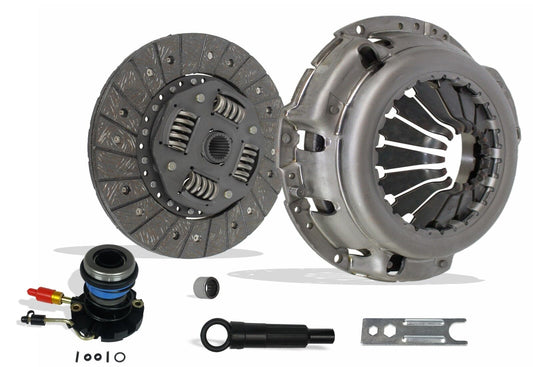
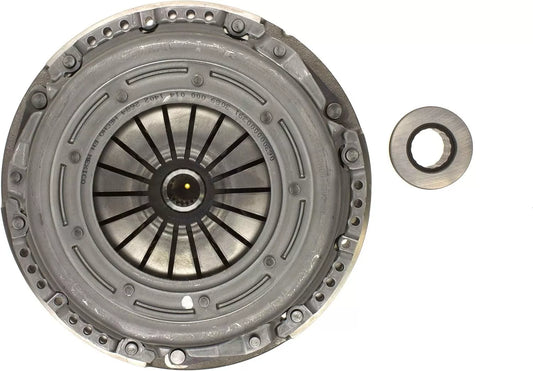
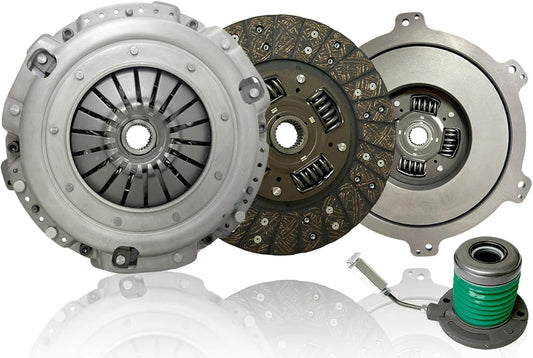
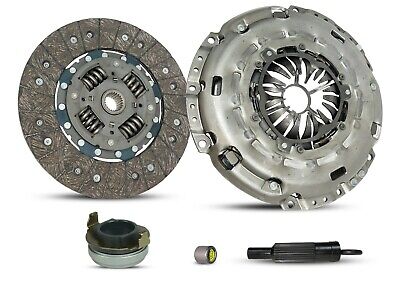
Knowing the difference between clutch myths and realities helps you make better maintenance decisions—and saves you money in the long run. Clutch wear is normal, but symptoms like slipping, stiffness, or difficulty shifting should never be ignored. Early intervention preserves the health of your manual transmission and keeps your vehicle performing at its best.
At SouthEast Clutch, we engineer clutch kits built for durability, precision, and long-lasting performance—because reliable parts make all the difference.