Clutch Myths: Fact or Fiction? What Every Driver Should Know

Clutch Myths: Fact or Fiction? What Every Driver Should Know
The clutch is one of the most important components in a manual transmission vehicle, but it is also surrounded by misconceptions. Incorrect assumptions about clutch problems and replacement parts can lead to unnecessary repairs, continued vehicle damage, or ordering a clutch kit that does not fit properly.
Understanding the difference between clutch myths and clutch facts can help drivers recognize potential problems, protect their vehicle’s transmission system, and make better decisions when clutch replacement becomes necessary.
Myth: A Slipping Clutch Only Needs an Adjustment
A slipping clutch should not automatically be treated as a simple adjustment issue. While certain clutch systems may require periodic adjustments, slipping can also indicate worn friction material or another mechanical problem that needs professional inspection.
One of the most common signs of a slipping clutch is an increase in engine RPM without a corresponding increase in vehicle speed. This happens when the clutch disc can no longer maintain sufficient contact with the flywheel and pressure plate to transfer engine power effectively.
Clutch slipping may be caused by a worn clutch disc, pressure plate problems, contamination from oil or grease, or issues involving other related components. Because several conditions can produce similar symptoms, the complete clutch system should be inspected before deciding which parts need to be replaced.
Continuing to drive with a slipping clutch can create additional friction and heat, causing the problem to become progressively worse. Identifying the cause early can help prevent further damage and determine whether adjustment, repair, or complete clutch replacement is necessary.
Myth: Any Clutch Kit Will Fit
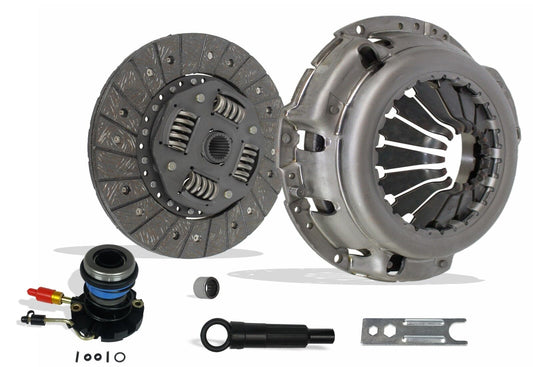
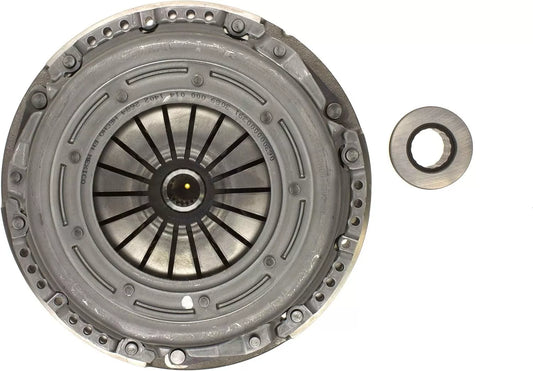
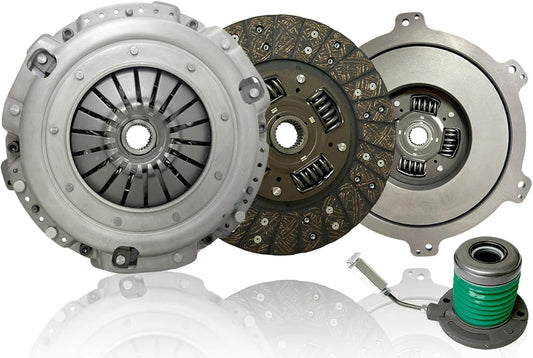
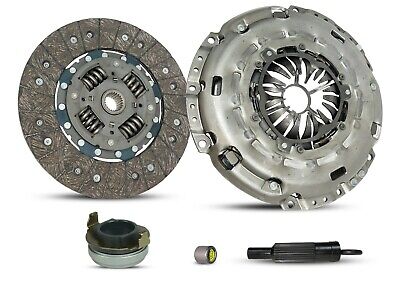
Clutch kits are not universal. Even vehicles with the same make and model may require different components depending on their engine, transmission, production year, and factory configuration.
Correct clutch kit fitment depends on the complete vehicle application. The pressure plate, clutch disc, release bearing, pilot bearing, and other included components must match the specifications of the vehicle’s transmission system.
Ordering a clutch kit based only on the vehicle’s appearance or model name can result in receiving parts with the wrong dimensions, spline count, disc diameter, or component configuration. These differences may prevent installation or affect clutch performance.
Before ordering a replacement clutch kit, it is important to confirm the vehicle’s year, make, model, engine, and transmission. When the correct application is uncertain, checking the vehicle identification number, or VIN, can help identify the original vehicle configuration and reduce the risk of ordering the wrong parts.
Clutch Replacement Starts With the Right Diagnosis
Recognizing the symptoms of clutch wear is only the first step. A slipping clutch requires proper inspection, and a replacement clutch kit must be selected according to the vehicle’s exact application.
Accurate diagnosis helps determine whether the problem involves the clutch disc, pressure plate, release system, flywheel, or another related component. Confirming vehicle compatibility before purchasing also helps avoid installation delays, returns, and unnecessary expenses.
SouthEast Clutch offers clutch kits and related components for a wide range of vehicle applications. Always verify your complete vehicle information before ordering to find the correct fit for your application.
SouthEast Clutch — Always Moving Forward.