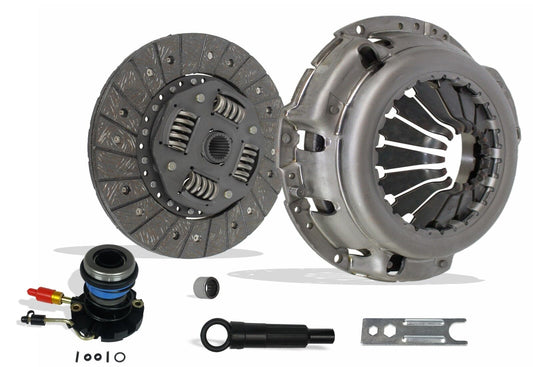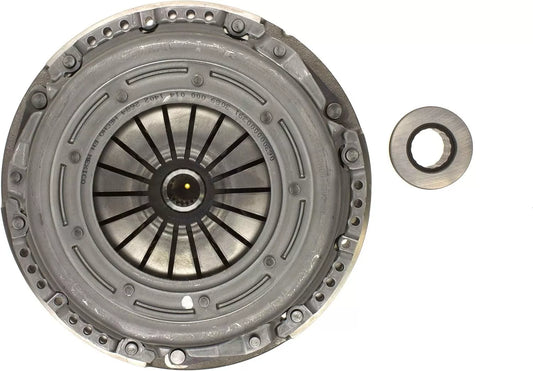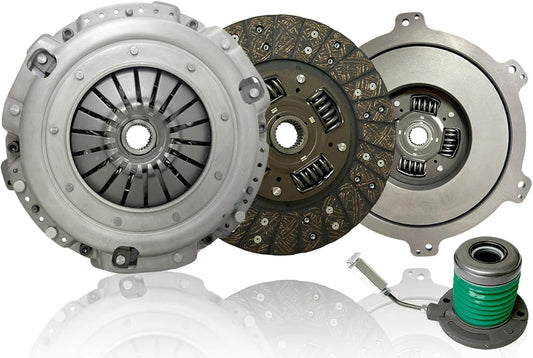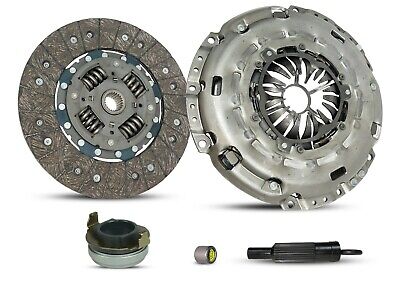
Clutch Drag: The Hidden Issue Most Drivers (and Even Some Mechanics) Overlook

Clutch Drag: The Hidden Issue Most Drivers (and Even Some Mechanics) Overlook
When discussing clutch problems, most people focus on slipping—but there’s another issue that often goes unnoticed: clutch drag. Unlike slippage, which involves a loss of friction, clutch drag happens when the clutch system fails to fully disengage, even when the pedal is pressed.
This type of clutch engagement problem can be subtle at first, but it directly affects how smoothly your transmission operates. Drivers experiencing clutch drag symptoms may notice difficulty shifting gears, especially when trying to engage first or reverse. In some cases, the vehicle may even creep forward slightly with the clutch pedal fully pressed.
One of the main causes of clutch drag is incomplete release within the system. This can be due to issues with the release bearing, improper adjustment, or even air trapped in the hydraulic system. In other cases, a warped clutch disc or misalignment during installation can prevent full disengagement, leading to persistent clutch disengagement issues.
Another overlooked factor in manual transmission clutch problems is the role of tolerances and installation precision. Even a high-quality clutch kit can develop problems if components are not installed correctly. For example, incorrect torque specifications or uneven pressure plate tightening can create uneven contact, contributing to drag.
Over time, ignoring clutch drag issues can lead to accelerated wear in the transmission synchronizers, increasing the risk of more complex and costly repairs. That’s why early detection is key. If your vehicle doesn’t shift as smoothly as it should, or if you feel resistance when changing gears, it’s important to inspect your automotive clutch system before the problem escalates.
Preventing clutch drag starts with proper installation, regular maintenance, and using high-quality components. Ensuring your hydraulic system is properly bled and that all parts are aligned correctly can make a significant difference in performance and longevity.
Understanding lesser-known issues like clutch drag helps you stay ahead of problems that many drivers—and even some technicians—fail to recognize. When it comes to your vehicle, what you don’t see (or feel immediately) can have the biggest impact.