5 Signs It's Time to Replace Your Clutch (Before It Leaves You Stranded)

5 Signs It's Time to Replace Your Clutch (Before It Leaves You Stranded)
A failing clutch rarely breaks down without warning. In most cases, your vehicle gives you clear signals long before a complete failure happens, and recognizing them early can save you from a much more expensive repair down the road. Knowing how to identify clutch problems is one of the most valuable skills a driver can have, especially since many of these symptoms are easy to dismiss as minor inconveniences rather than warning signs of a worn clutch.
One of the most common indicators that your clutch needs attention is slipping gears. This happens when the engine revs higher than expected, but the vehicle doesn't accelerate at the same rate. Essentially, the clutch disc is no longer gripping the flywheel properly, which means power from the engine isn't being transferred efficiently to the wheels. Slipping is often gradual at first, making it easy to overlook, but it tends to worsen quickly, especially under load or while accelerating on inclines.
Difficulty shifting gears is another major red flag. If you notice that your vehicle suddenly feels harder to put into gear, or shifting becomes rough and inconsistent, this can point to a clutch system that is wearing down or losing proper engagement. While this symptom can sometimes stem from other transmission issues, a struggling clutch is one of the most frequent causes, particularly when the problem develops progressively rather than appearing all at once.
A burning smell coming from your vehicle should never be ignored, especially when it's linked to clutch use. This odor typically indicates that the friction disc is overheating, often due to excessive slipping or improper engagement. Continued driving in this condition can cause severe damage not only to the clutch disc itself but also to surrounding components like the pressure plate and flywheel, turning what could have been a simple replacement into a far more costly repair.
Pedal feel is another important diagnostic clue. A clutch pedal that feels sticky, spongy, or inconsistent when pressed is often a sign of a hydraulic issue within the clutch system. This can stem from air in the line, a failing master or slave cylinder, or fluid leaks, all of which interfere with the smooth operation the clutch depends on. Addressing hydraulic issues quickly is essential, since a compromised pedal can affect your ability to shift safely and consistently.
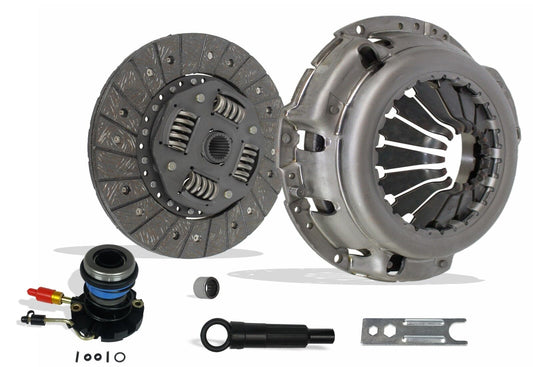
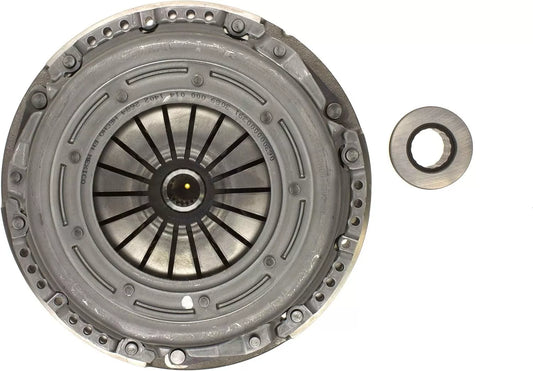
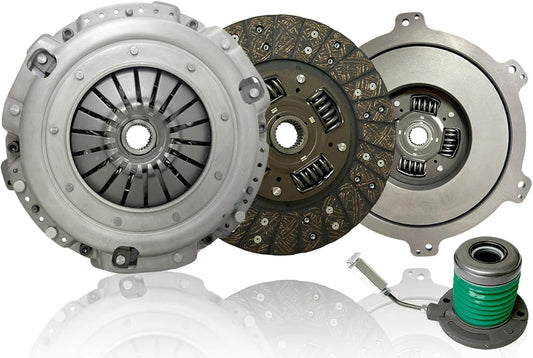
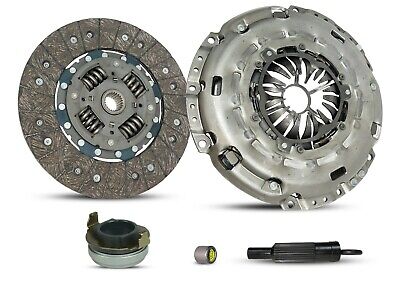
Recognizing these signs early gives you the opportunity to act before a small issue becomes a major breakdown. A worn clutch doesn't just affect performance, it can also lead to additional damage to your transmission system if left unresolved. Staying alert to symptoms like slipping gears, difficulty shifting, burning smells, and pedal problems allows you to plan ahead for a clutch replacement on your own terms rather than being forced into an unexpected repair. Southeast Clutch offers vehicle-specific kits engineered for a precise fit, making it easier than ever to replace your clutch correctly the first time.